
Custom packaging buyers often focus on one thing first: sample price.
That is understandable. If several suppliers offer similar-looking boxes, choosing the lowest sample quote may seem like the safest and most cost-effective decision.
But in real packaging projects, the cheapest sample is often where expensive problems begin.
A low sample price can hide weak structure development, inaccurate sizing, poor material matching, inconsistent finishing, and slow communication. These issues do not just affect the sample itself. They can delay approvals, cause repeated revisions, increase total development cost, and create bigger risks when mass production starts.
For serious packaging projects, the real question is not “Who offers the cheapest sample?” It is “Which supplier can help me avoid costly mistakes later?”
Why Sample Cost Is Not the Real Cost
A packaging sample is not just a box. It is the first test of whether your supplier understands your product, structure, branding, and production requirements.
If the sample is poorly developed, you may face:
- wrong box size or loose product fit
- weak structure that cannot protect the product
- incorrect insert layout
- poor print color or finishing mismatch
- extra rounds of revision and approval delays
- avoidable problems in bulk production
In other words, a cheap sample can create expensive rework.
The real cost of a bad sample is usually not the sample fee itself. It is the time lost, the repeated communication, the delayed launch, and the risk of making the wrong production decision.
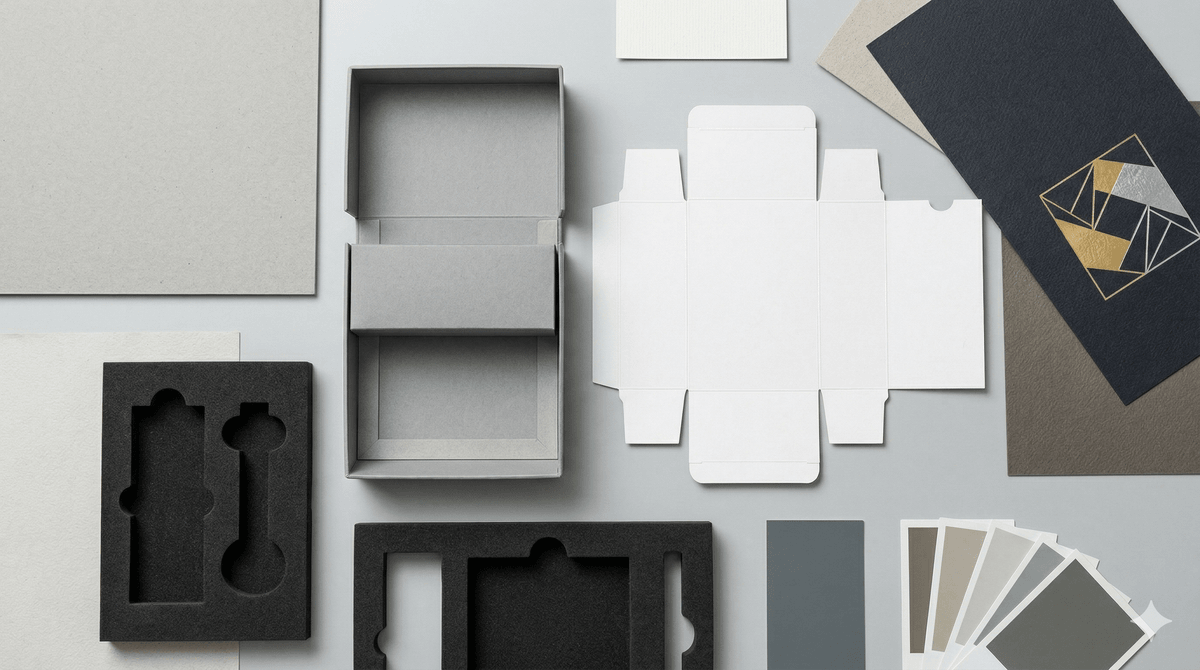
What Actually Affects Custom Packaging Sample Cost
When buyers compare sample prices, they often compare only the number, not what is included behind it.
In reality, custom packaging sample cost usually depends on several factors:
1. Box Structure Complexity
A simple folding carton sample is very different from a rigid box with wrapped paper, magnetic closure, ribbon pull, or custom insert.
The more complex the structure, the more work is needed for dieline setup, hand assembly, fit testing, and finishing control.
2. Material and Insert Choice
Grey board, textured paper, specialty paper, EVA inserts, molded pulp, velvet lining, or layered paperboard inserts all affect sample cost.
If the internal fit matters, the insert is often just as important as the outer box. A cheap sample without proper insert development is not a reliable sample.
3. Printing and Finishing Requirements
Foil stamping, embossing, spot UV, soft-touch lamination, special colors, and precise logo placement all increase sample work.
Premium-looking packaging cannot be judged properly from a low-effort mockup.
4. Engineering and Communication Quality
This is the part many buyers ignore.
A supplier who asks the right questions about product dimensions, weight, packing method, and presentation goals may quote a higher sample fee, but that usually means the sample is being developed properly.
A supplier who gives a very low sample quote without checking details may simply be producing a rough box, not a useful pre-production sample.
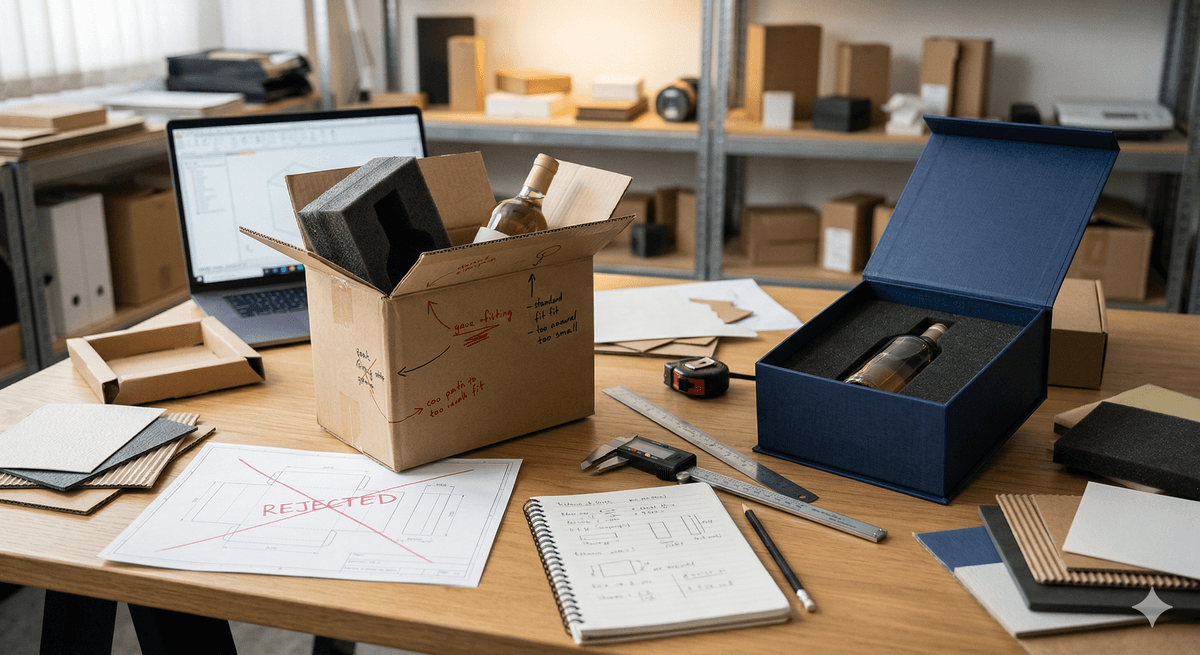
The Hidden Cost of the “Cheap” Sample
A cheap sample becomes expensive when it creates one or more of these problems:
Repeated Revisions
If the first sample is inaccurate, you may need second or third rounds of correction. That means more time, more courier cost, and more delay.
Wrong Production Decision
Some buyers approve a sample too quickly because they want to save time. Later, they discover structure issues, weak protection, or poor insert fit during production.
That is far more expensive than paying a little more for a better sample in the beginning.
Delayed Product Launch
For brands launching new products, timing matters. A low-cost but low-quality sample can slow approvals and affect your launch schedule.
Higher Risk in Bulk Orders
A sample should reduce risk, not create uncertainty. If your sample does not reflect real production quality, it cannot help you make a reliable order decision.
What Smart Buyers Should Compare Instead
When evaluating custom packaging sample cost, compare these points instead of price alone:
- Does the supplier understand the product and packaging goal?
- Is the structure actually suitable for shipping, display, and presentation?
- Are the materials and inserts matched to the product properly?
- Does the sample reflect real production capability?
- Is communication clear and professional?
- Can the supplier explain why this structure and material are recommended?
This is how experienced buyers reduce total packaging cost.
A slightly higher sample fee from a reliable supplier can save much more in development time, revisions, freight, and production mistakes.
When Paying More for a Sample Makes Sense
Paying more for a sample is usually worth it when:
- the product is fragile or high value
- the packaging includes multiple components
- the insert fit must be accurate
- the packaging is part of premium brand presentation
- the project has a launch deadline
- the bulk order value is significant
In these cases, the sample is not just a formality. It is a risk-control step.
For premium packaging, electronics packaging, gift boxes, and insert-based packaging, underinvesting in the sample stage is usually a mistake.
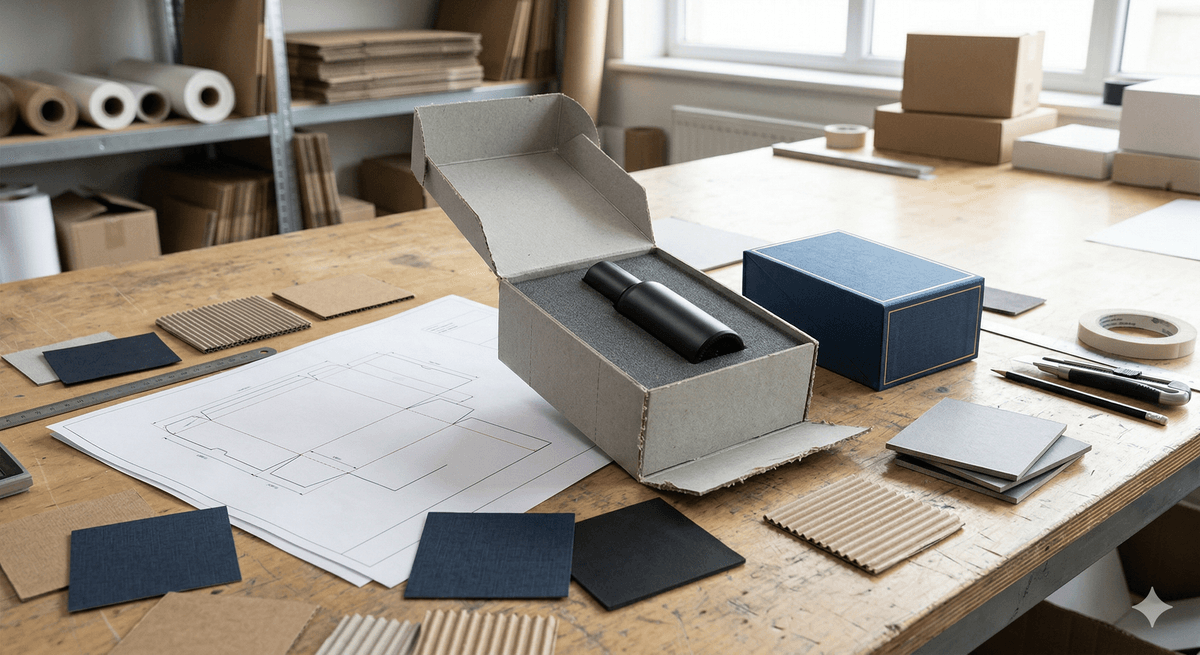
How QX Packs Approaches Sample Development
At QX Packs, we treat sampling as a practical part of packaging development, not just a quick quotation step.
Since 2004, we have supported global brands with custom packaging samples based on actual structure, material, insert, and finishing requirements. That helps clients evaluate fit, presentation, and feasibility before moving to production.
For projects that need secure product placement, we also help develop insert solutions that support both protection and presentation. Whether you need rigid boxes, folding cartons, or internal fitment, the goal is the same: reduce risk before bulk production.
Final Takeaway: The cheapest sample is not always the lowest-cost decision
If a sample fails to test structure, fit, material suitability, or production feasibility, the money saved at the beginning is often lost later through revisions, delays, and avoidable production problems.
A good sample should help you make a safer, faster, and more confident packaging decision.
If you are comparing suppliers, compare sample value, not sample price alone.
Need a packaging sample that helps you make the right production decision?
Send us your box type, product size, quantity, and finishing requirements. QX Packs will recommend a suitable sample approach and provide practical support for your project.